Upper Literature Field Experience
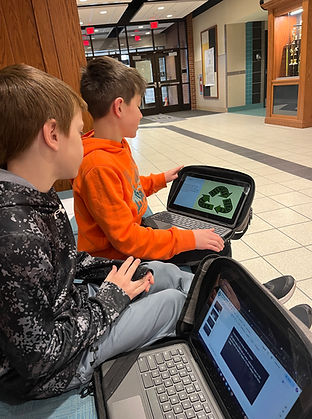
During my two-week Upper Literature field experience from March 18 to April 1, 2026, I had the opportunity to teach two fifth-grade students at Hillview Elementary in Grove City, PA. Throughout this placement, I learned how to design and implement an engaging, student-centered unit while building meaningful relationships with a small group of learners. I created and taught an 11-day unit plan centered around A Long Walk to Water, guiding students through independent reading while supporting their comprehension and critical thinking.
Each day, I developed hands-on activities, lesson materials, and strategies to check for understanding, ensuring that instruction was both interactive and purposeful. I also planned and administered assessments to monitor student progress and adjust instruction as needed. This experience strengthened my ability to create structured yet flexible lessons, foster student engagement, and effectively support learners in a literature-based classroom setting.
Unit Plan and Materials
My two-week unit on A Long Walk to Water by Linda Sue Park focused on building students’ reading comprehension and critical thinking through meaningful, real-world themes. Students practiced identifying main ideas, summarizing events, citing textual evidence, and making inferences about characters like Salva and Nya. They also developed vocabulary using context clues and explored themes of perseverance and survival while connecting the novel to real-world issues like access to clean water. Activities such as reading logs, character tracking, and writing assignments helped students become more thoughtful, independent readers.


Student Work Examples


Chapter Reading Log
Survival Kit Drawings

Letter to Salva
Forms of Assessment
My assessment plan included a combination of formative and summative tasks to measure students’ understanding throughout the unit. Students completed a Chapters 1–7 quiz to assess their knowledge of plot, characters, and vocabulary. They also demonstrated comprehension through a letter writing assignment, where they wrote from a character’s perspective using details and emotions from the text. A choice board assignment allowed students to show their understanding in a creative way, while the final Water Conservation Project served as a summative assessment, requiring students to create a Google Slides presentation connecting the novel to real-world water conservation. Together, these assessments provided multiple opportunities for students to apply and demonstrate their learning.